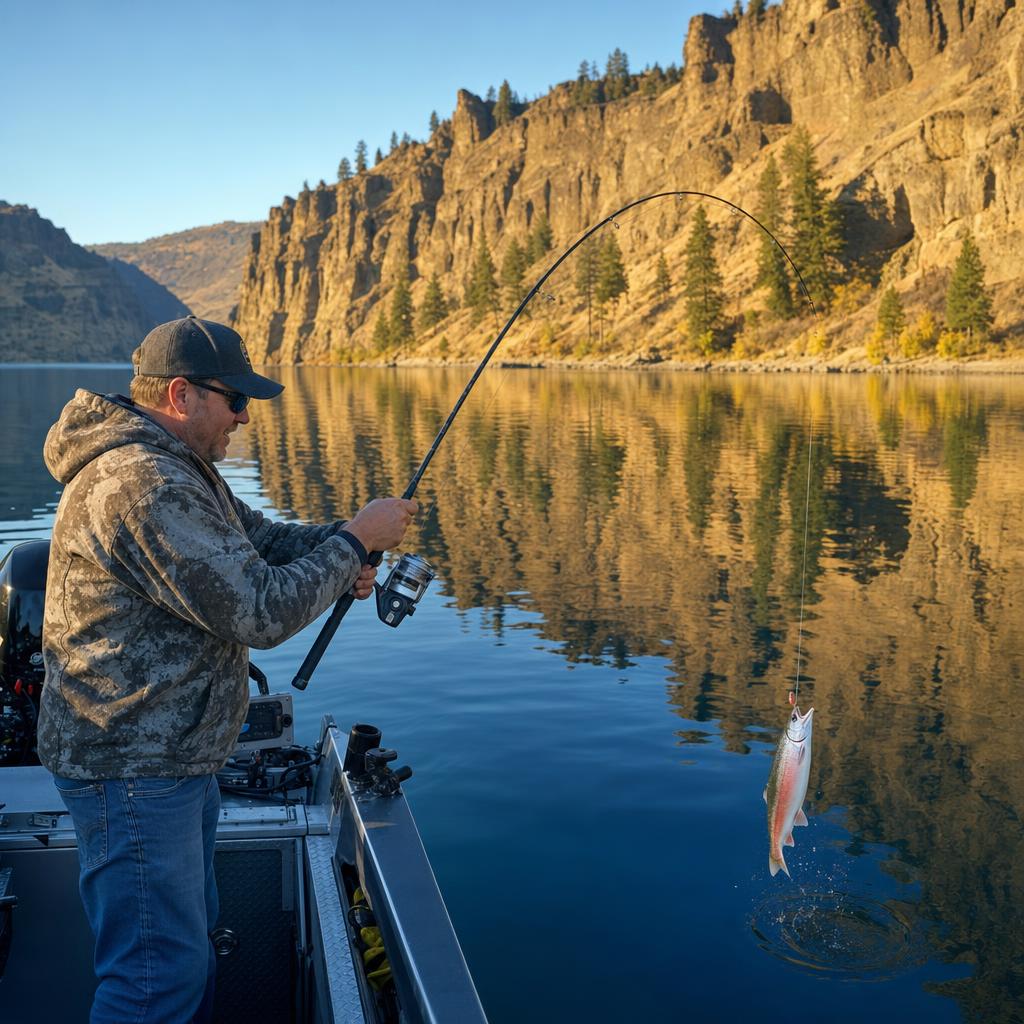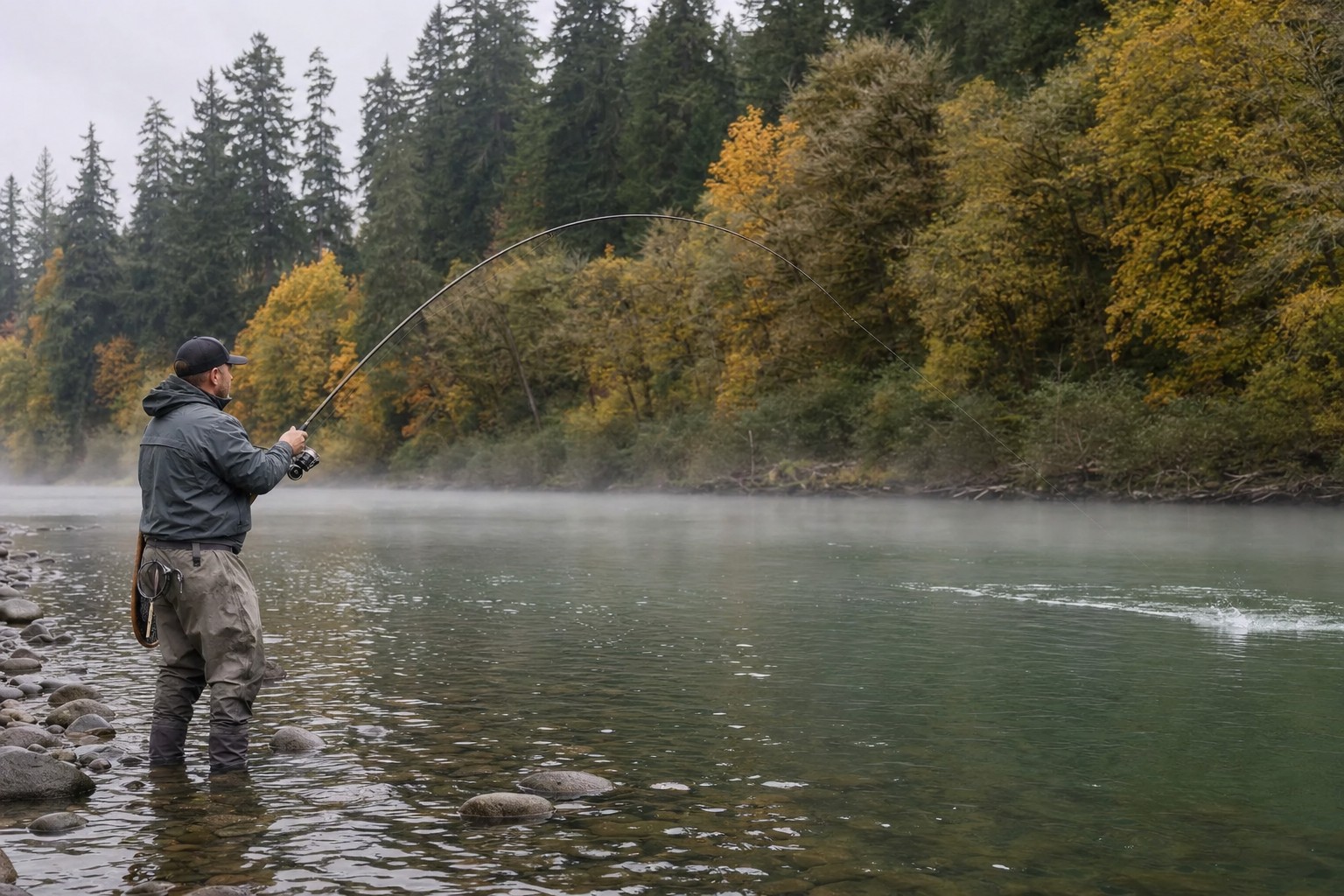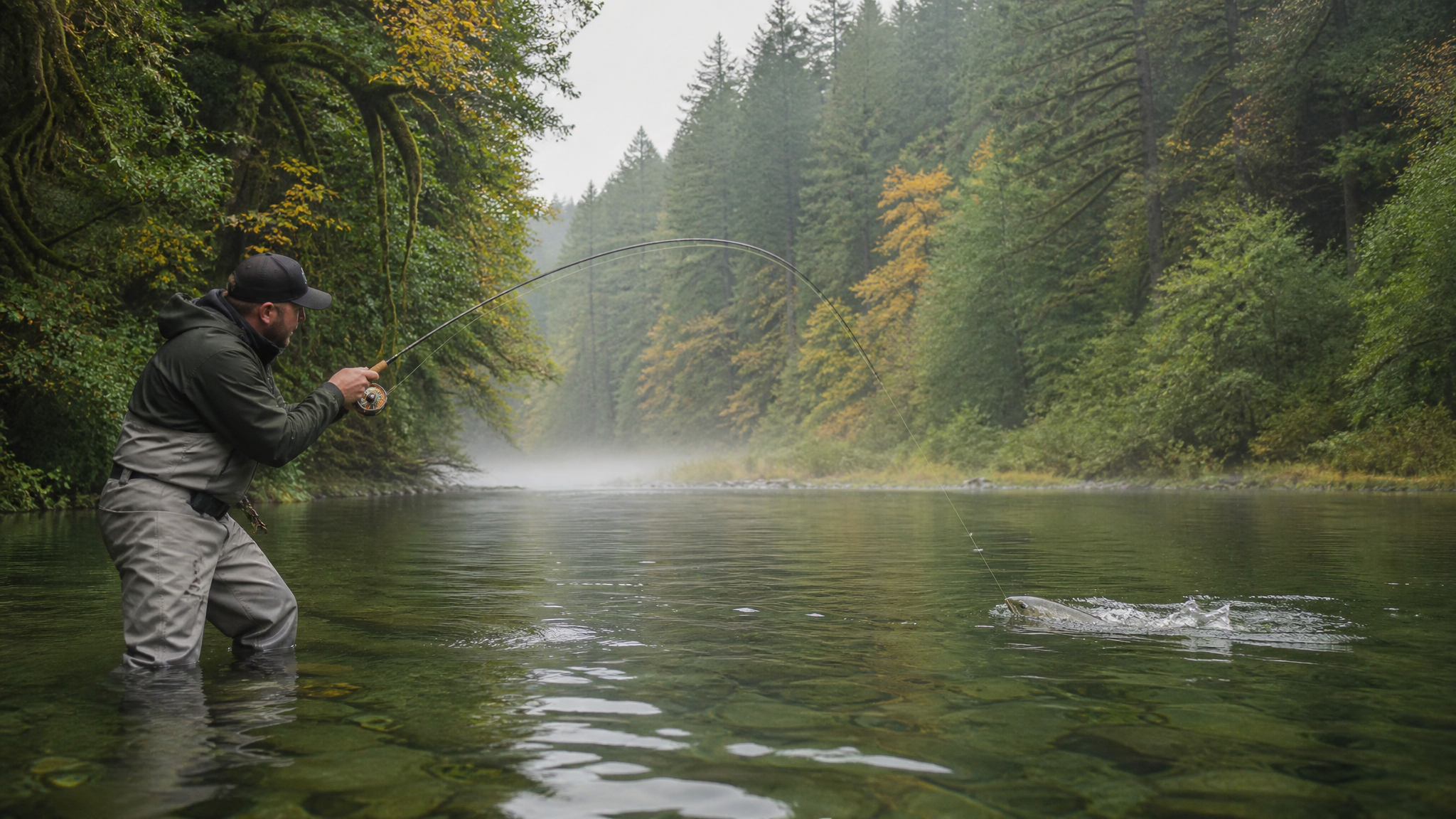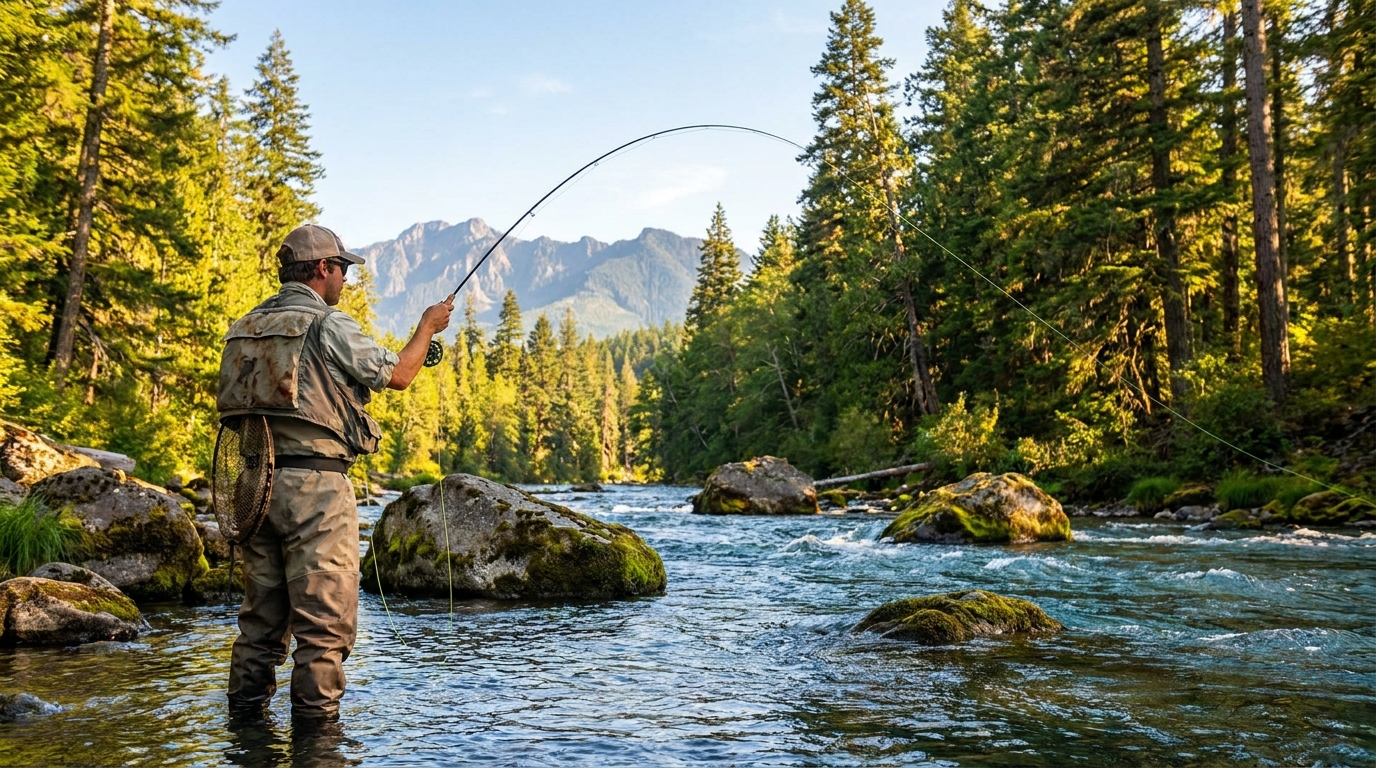
By mid-June, the McKenzie River is fishing as well as it ever does. Snowmelt runoff has subsided, the water has dropped into prime wading territory, and the wild cutthroat and rainbow trout that define this river are stacking up in every riffle, seam, and undercut bank from Vida upstream to Clear Lake. If you've never wade-fished the McKenzie, you're missing one of Oregon's true blue-ribbon experiences.
Why the McKenzie in Summer
Most Oregon rivers hit their low, warm point by August and fish slows down. The McKenzie is different. Fed by cold spring sources near the base of the Cascades — including the outflow from Clear Lake, which maintains a near-constant 34°F — the river stays cold well into summer. Water temps in the 50s are common through late July, and trout metabolism stays high. That means active feeding, aggressive strikes, and fish that actually fight.
The McKenzie also runs clear enough to sight-fish in summer. That's a game changer. You'll spot fish holding in lanes before you cast, which lets you approach carefully and present deliberately. This is technical fishing, but it's rewarding technical fishing.
Key Access Points and River Sections
The upper McKenzie — from Belknap Springs upstream through Trail Bridge Reservoir country — holds the best wild trout density. This is remote water. You'll earn your fish here, but you won't share pools with crowds.
- Paradise Campground (Milepost 60): Classic riffle-pool-riffle structure. Park, gear up, and fish upstream. Cutthroat to 14 inches in the pockets behind boulders.
- Ollalie Campground area: Slightly larger water, good access, some of the best evening hatches on the upper river.
- Below Leaburg Dam (mid-river): More pressure, bigger fish. Rainbow trout to 18 inches are caught regularly. Requires careful wading on slick basalt.
- Finn Rock Reach: A popular float section that wade anglers often overlook. Park at the boat launch and work the inside bends on foot.
Tactics That Produce in Summer
Dry Fly Fishing
The McKenzie's summer hatches are reliable and fishable. Look for Pale Morning Duns (PMDs) from 9 a.m. to noon, Caddis in the evening from 6 p.m. until dark, and sporadic Yellow Sallies (small stoneflies) throughout the day. Elk Hair Caddis in sizes 14–18, Parachute Adams in sizes 14–16, and a PMD sparkle dun will cover most situations. Fish rising fish first — spot the rise ring, position yourself below and across, and present upstream.
Nymphing Pocket Water
When fish aren't rising, a Euro-nymphing rig or simple tight-line setup with a Pat's Rubber Legs (black/brown, size 8–10) as a lead fly and a Frenchie or soft hackle as a dropper will produce all day. Dead drift through the deep slots behind boulders and along current seams. You'll feel takes as sharp ticks — set immediately.
Small Streamers for Big Fish
If you want a shot at the largest cutthroat in the system, swing a small Muddler or Sculpin pattern along the banks during the low-light hours of early morning. The upper McKenzie holds cutthroat over 18 inches — they don't show themselves often, but they're there, and they eat streamers.
Gear for the McKenzie
A 9-foot 5-weight rod is the standard, but a 4-weight feels more at home on the upper sections where casts are short and presentation matters more than distance. Bring felt-soled wading boots or rubber with studs — the basalt in this river is notoriously slippery, and a fall in fast water is no joke. A wading staff is worth carrying on the upper sections.
For terminal tackle, stay light. 5X tippet for dries and 4X for nymphs is standard. Go to 6X if fish are refusing in clear, low water conditions. Always carry extra leaders — the McKenzie's rocks eat them.
Regulations You Need to Know
The McKenzie River above Trail Bridge Reservoir is closed to fishing entirely — know the boundary. Below that, it's open year-round for trout. Cutthroat trout are catch-and-release only on most of the upper river. Check the current ODFW regulations for the specific section you're fishing, as special rules apply in several reaches. No bait is allowed on portions of the upper McKenzie — artificial lures and flies only.
Timing Your Trip
June is arguably the best month. Water is high enough to hold fish in prime lies, cold enough to keep them active, and the hatches are firing. By July, fish the early morning and evening windows and expect slower midday action as temps climb. August can be tough above certain reaches if flows drop significantly — monitor USGS streamflow gauges at Blue River before making the drive.
The McKenzie is a classic for a reason. Clear water, wild fish, big timber, and a river that rewards anglers who take the time to read it. Pack your waders and make the drive.