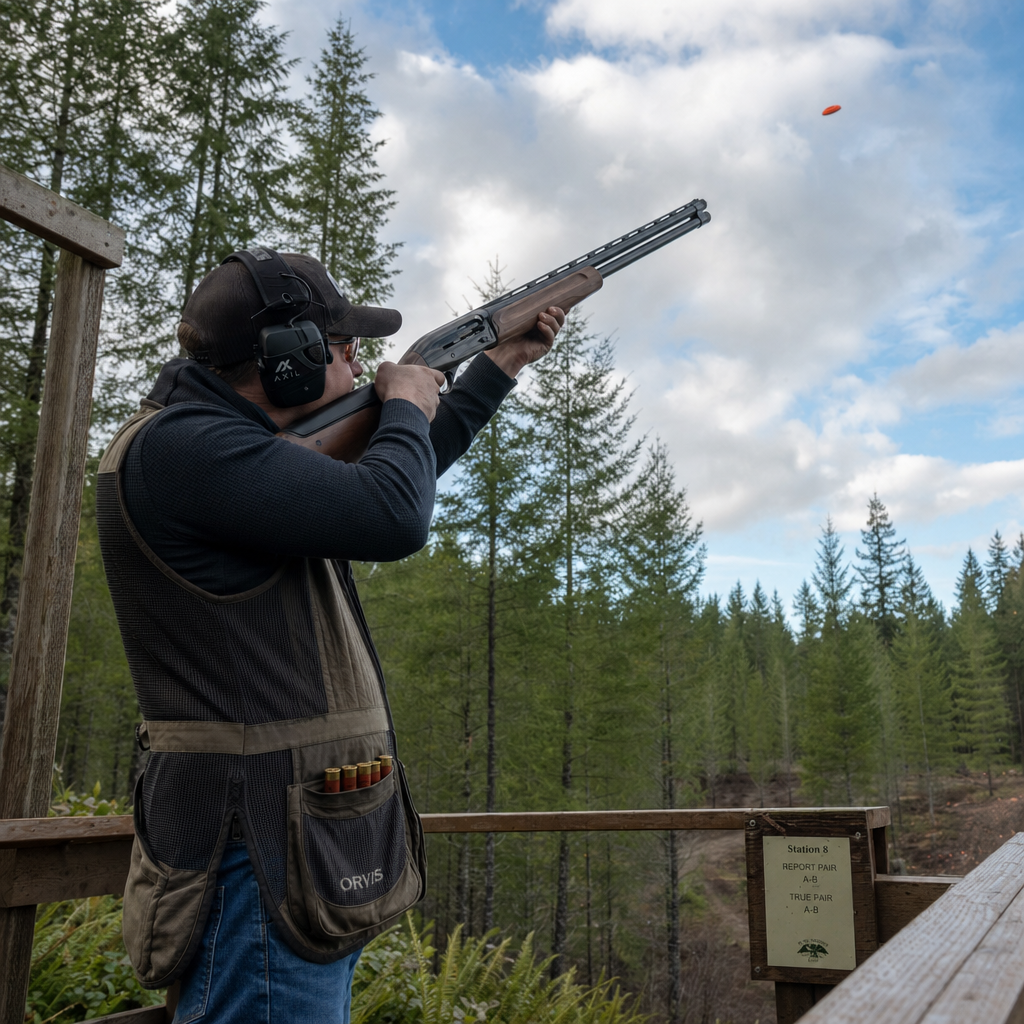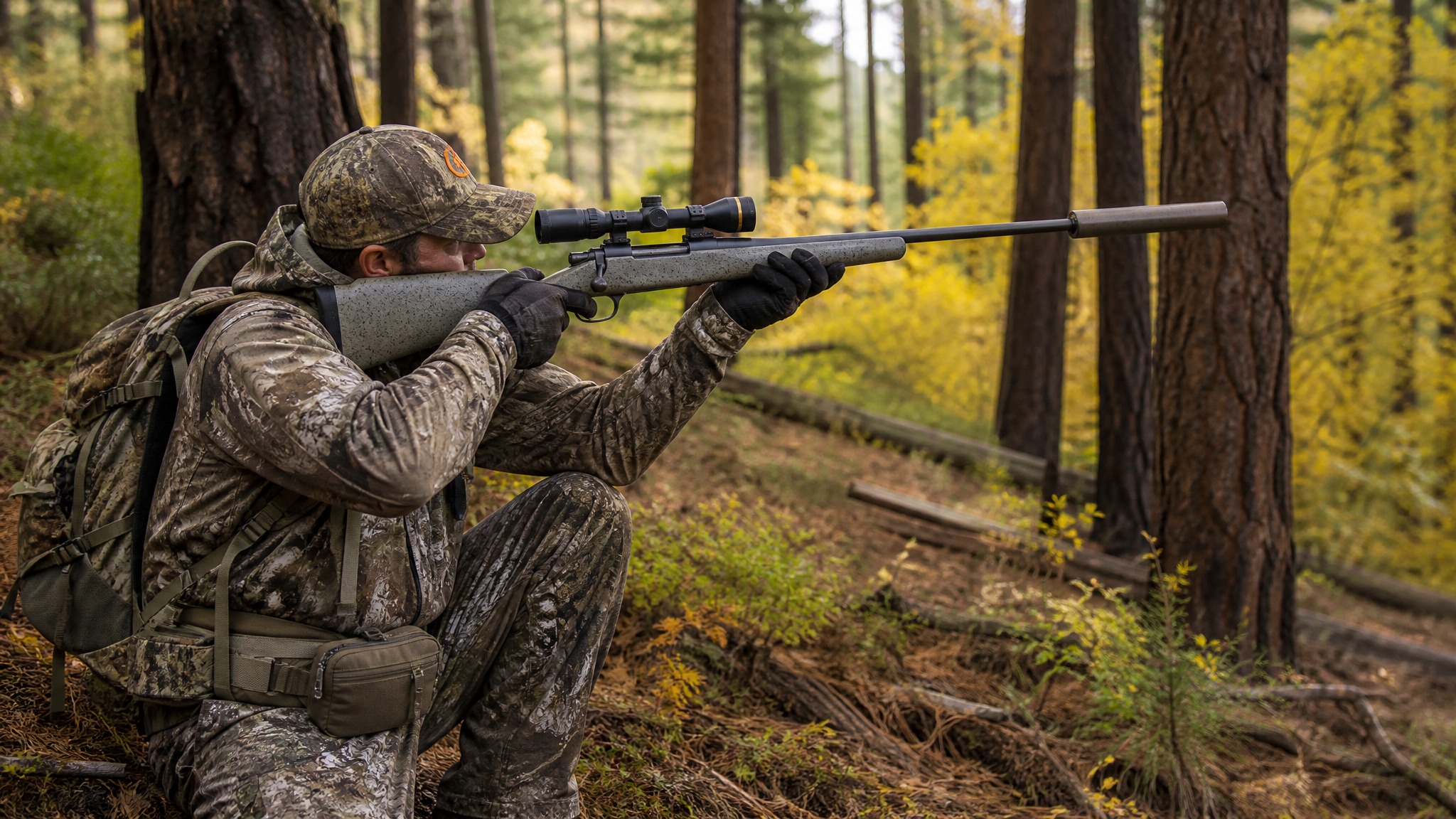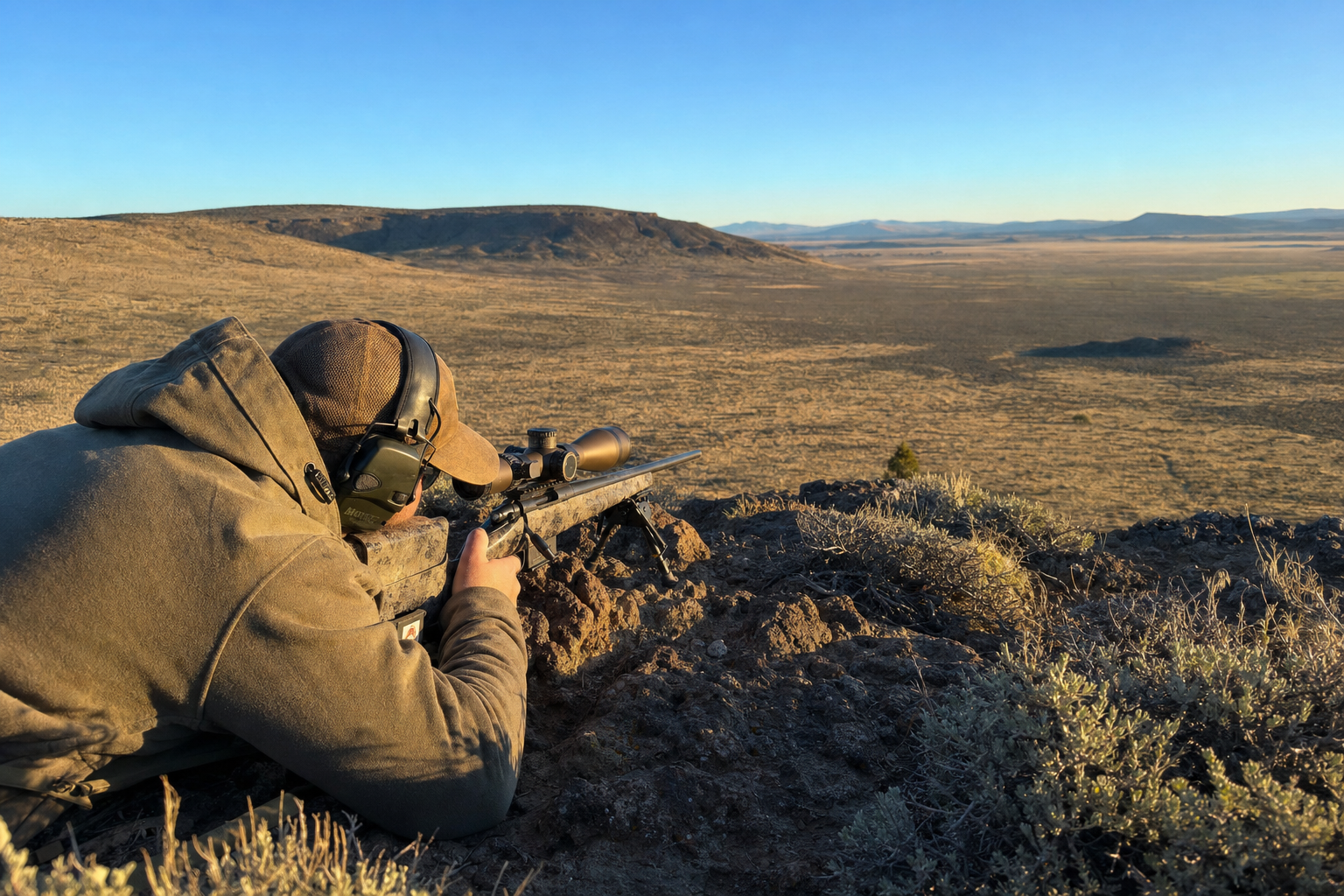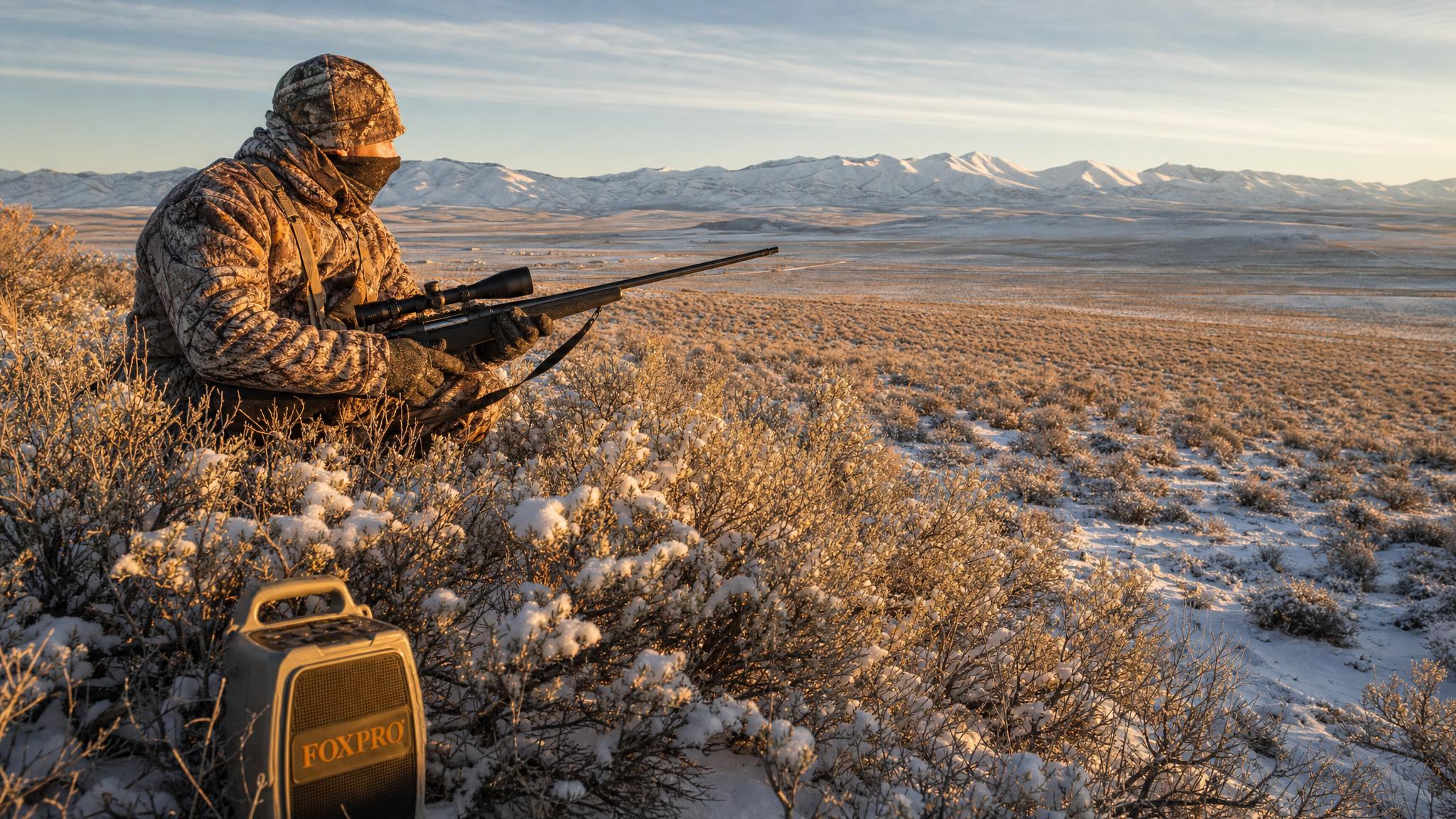
Winter is prime time for coyote hunters across Oregon. With agricultural crops down, leaves off the brush, and breeding season approaching in January, coyotes are on the move — and they're responsive to calls. Whether you're hunting Willamette Valley pastures or Eastern Oregon's sage flats, the fundamentals of winter coyote calling reward hunters who understand the dog's seasonal mindset.
Why Winter is Oregon's Best Coyote Season
From late November through February, Oregon coyotes are transitioning from fall territory establishment into breeding season. Males are ranging farther to find females, and both sexes are competing aggressively over food resources during lean months. This combination makes them more likely to respond to both prey distress calls and territorial vocalizations.
The other advantage: visibility. Valley fog aside, winter vegetation is at its lowest point. CRP fields, cut grain stubble, and leafless brush mean you can see incoming coyotes at distance — and they can't use heavy cover to circle downwind undetected as easily as they can in October.
Top Oregon Coyote Hunting Areas
Willamette Valley Farmland
The valley's patchwork of grass seed farms, filbert orchards, and marshy lowlands holds a dense coyote population. Counties like Linn, Benton, Polk, and Yamhill offer solid public access on ODFW wildlife areas including E.E. Wilson and Ankeny NWR — check current regulations for predator hunting access on each property. Farm permission is key here: many landowners welcome coyote hunters and gladly grant access to anyone willing to help control livestock predation.
Call setups near field edges adjacent to riparian brush are most productive. Coyotes bed in the brush and hunt the open ground at dusk and dawn, so a setup that covers both the edge and the open gives you the best shot opportunity.
Eastern Oregon High Desert
The vast sage country of Harney, Malheur, and Lake Counties holds some of Oregon's highest coyote densities. Public land is abundant — BLM ground stretches for miles in areas like the Alvord Desert vicinity, Steens Mountain foothills, and the Owyhee Uplands. Cold, calm mornings with fresh snow are exceptional calling conditions here. Coyotes show up easily against white ground, food is scarce enough that they'll commit hard to a call, and the wide-open terrain lets you spot incoming dogs from 400 yards or more.
Klamath Basin and Fremont-Winema Country
The Klamath Basin's mix of marshland, ponderosa timber edge, and agricultural ground holds coyotes year-round. The Fremont-Winema National Forest's juniper-sage transition zone in Lake County is worth exploring — particularly the Sprague River drainage and Sycan Marsh areas, where thick cover meets open grassland and predator activity stays high all winter.
Calling Setup: Electronic vs. Mouth Calls
Electronic Callers
Electronic callers like the FoxPro Fusion, Primos Alpha Dogg, or FOXPRO Shockwave have transformed coyote hunting. For winter Oregon setups:
- Start with jackrabbit or cottontail distress at moderate volume — these are realistic food sources for high-desert coyotes
- After 5–7 minutes with no response, switch to coyote pup distress or a lone howl to trigger territorial aggression
- Place the caller 40–60 yards in front of your position, downwind of the most likely approach route
- Use a decoy — a fluttering feather decoy like the Mojo Critter gives incoming coyotes a visual focus away from your position, dramatically reducing hang-ups
Mouth Calls
Open-reed calls like the Primos Open Country or closed-reed calls like the Johnny Stewart PC-1 are deadly in experienced hands. Mouth calling requires more practice but allows immediate adjustment to a coyote's body language — something no remote control can match. For winter sequences:
- Distress sequences: 2–3 minutes of medium-volume distress, 60-second pause, repeat at lower volume to simulate a weakening prey animal
- Howl sequences: lone mournful howl, 2-minute pause, repeat with challenge bark series to draw territorial males
- Finish calls: tight "ki-yi" distress sounds close the deal when a coyote hangs up at distance — increase urgency to override hesitation
Shot Selection and Rifles
Oregon has no caliber restriction on coyotes — they're classified as unprotected predators and may be taken year-round. The most popular choices among Oregon hunters:
- .223 Remington: The go-to for most Oregon coyote hunters — flat, accurate, and easy on pelts if that matters to you. Loaded with a 55-grain Nosler Ballistic Tip it anchors coyotes cleanly to 300 yards.
- .22-250 Remington: Outstanding flat-shooting performance to 400+ yards — ideal for Eastern Oregon's wide-open sage country where shots can stretch.
- 6.5 Creedmoor: Overkill for coyotes but many elk hunters use their primary rifle to stay sharp in the off-season. Can be hard on pelts at close range.
- .17 HMR / .22 WMR: For close-range farmland hunting where rifle reports are a concern for neighboring landowners — quiet and effective inside 150 yards.
Legal Considerations
Coyotes are unprotected in Oregon and may be taken year-round without a tag, license (beyond a basic hunting license), or bag limit. Night hunting is permitted on private land with landowner permission but is restricted on most public land — verify current ODFW regulations before setting up after dark. Electronic calls are fully legal for coyote hunting statewide. Trapping coyotes requires a separate furbearer trapping license, but hunting does not.
Pelt Handling If You Choose to Keep Them
Winter coyote fur is at its prime — thick, full, and silky compared to the rough, thin summer coats. If you want to sell or tan hides, cool the carcass quickly after the shot, flesh carefully to remove membrane, and stretch on a board to dry. Coyotes are not classified as furbearers in Oregon, so no harvest reporting is required. Local trappers and fur buyers at sporting goods stores can provide current pelt values.
The Setup That Works
Oregon winter coyote hunting comes down to wind, visibility, and patience. Set up with the wind in your face, sun behind you if possible, and position yourself with cover behind you to break your silhouette. Call for 15–20 minutes per stand, then move at least a half-mile before setting up again — coyotes in the area will have heard the first setup and may be approaching cautiously.
Cold, calm mornings from first light to 9 AM are your best window. Some of Oregon's most productive stands happen mid-morning in December when coyotes are still actively hunting and clear winter light makes long shots manageable. Get your stands in before full breeding season in February — once pairs lock up, they respond less to territorial calls and food distress, focused entirely on each other. December and January are the months to be in the field.