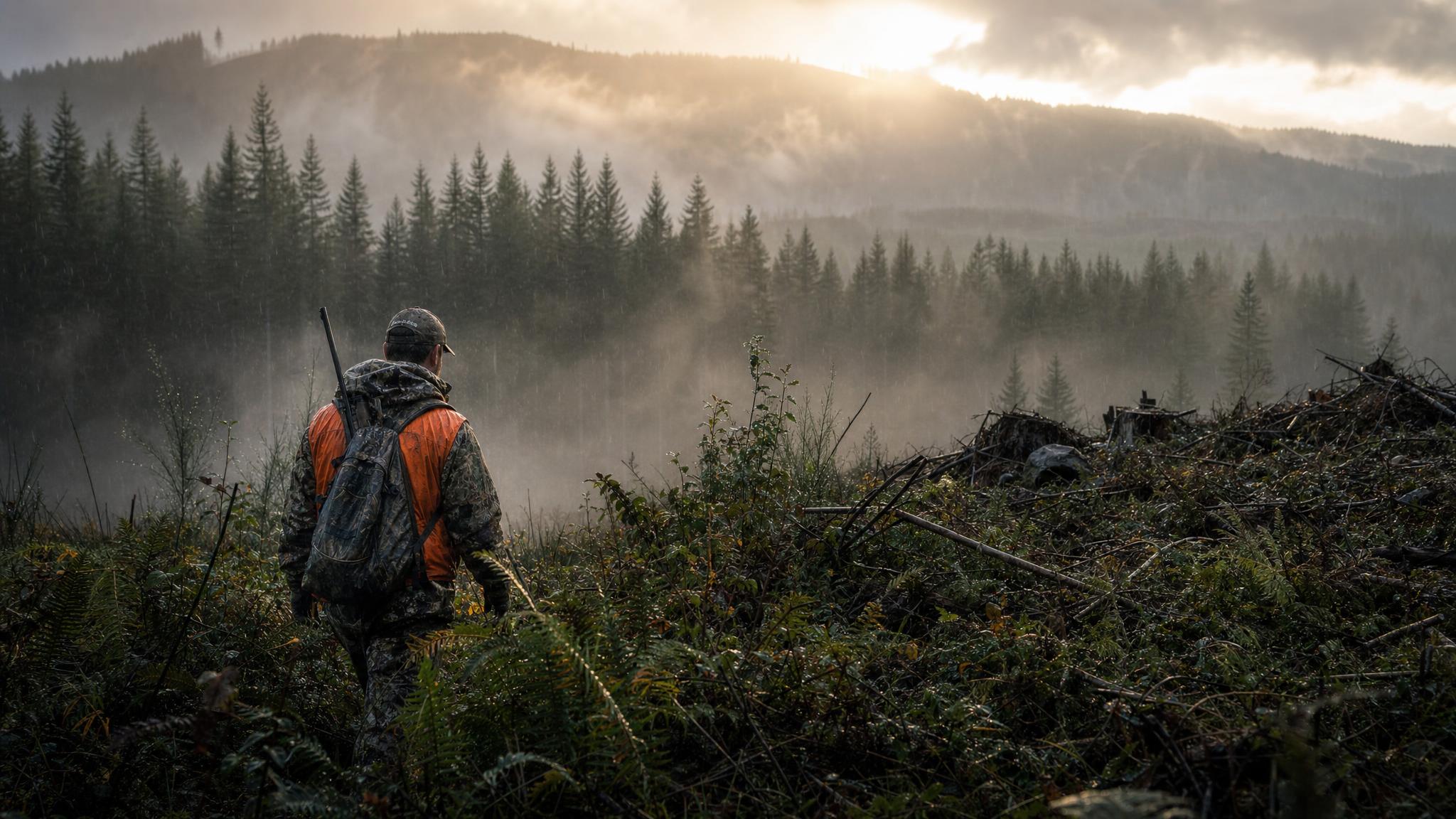
Mention archery elk hunting in Oregon and most hunters immediately think of the Chesnimnus, the Silvies, or the big wilderness units of the Wallowas. The Starkey Unit rarely makes those shortlists—which is exactly why it should be on yours. Sitting squarely in the Umatilla National Forest south of La Grande, Starkey offers a combination of accessible ponderosa pine country, a healthy resident elk herd, and general archery tag eligibility that makes it a realistic option for any Oregon bowhunter willing to do the legwork before the August 24 opener.
The Unit at a Glance
The Starkey Unit covers a significant chunk of the southern Blue Mountains between La Grande to the north and the North Fork John Day drainage to the south. Elevations run from around 3,500 feet in the lower drainages to over 5,500 feet on the timbered ridges. Ponderosa pine, mixed conifer, and alpine meadow all occur within the unit, giving elk multiple habitat zones to move through across the season. The Umatilla National Forest roads—while sometimes rough—provide reasonable vehicle access to jump-off points, making this accessible country for a two- or three-person DIY crew.
The Starkey Experimental Forest and Range, operated by the USDA Forest Service, occupies a portion of the unit and is fenced. Know the boundaries on your OnX map before you enter; some roads and the experimental forest itself may be restricted. The public land surrounding it is open and productive.
Pre-Season Scouting Strategy
July is the right time to be running cameras and glassing the Starkey Unit. By the first week of July, bulls are in full velvet and feeding predictably in the open meadows and clearcuts during morning and evening. Get into the unit now while conditions are hot and dry—elk will be watering at specific seeps and ponds, and finding those locations before the opener is worth more than any calling sequence you'll run in September.
Digital Scouting First
Pull up OnX Hunt and look for the intersection of three features: north-facing timber for thermal cover and shade, adjacent open parks or burns for feeding, and a water source within half a mile. In the Starkey Unit, the upper drainages off Desolation Creek and the ridges running south toward the North Fork John Day corridor consistently hold elk through the summer. Identify two or three of these pocket locations, then go physical.
Physical Scouting
Drive in the evening and glass the clearcuts and open hillsides with a quality spotting scope. Look for bachelor groups—three to six bulls feeding together in the open before timber up at last light. Locate the specific trails they're using to move between feeding and bedding, then set trail cameras on those pinch points. A mineral site near a known trail can accelerate the process, though check current ODFW regulations on mineral use in archery zones before deploying one.
Archery Season Tactics
Early Season (Aug 24–Sept 10)
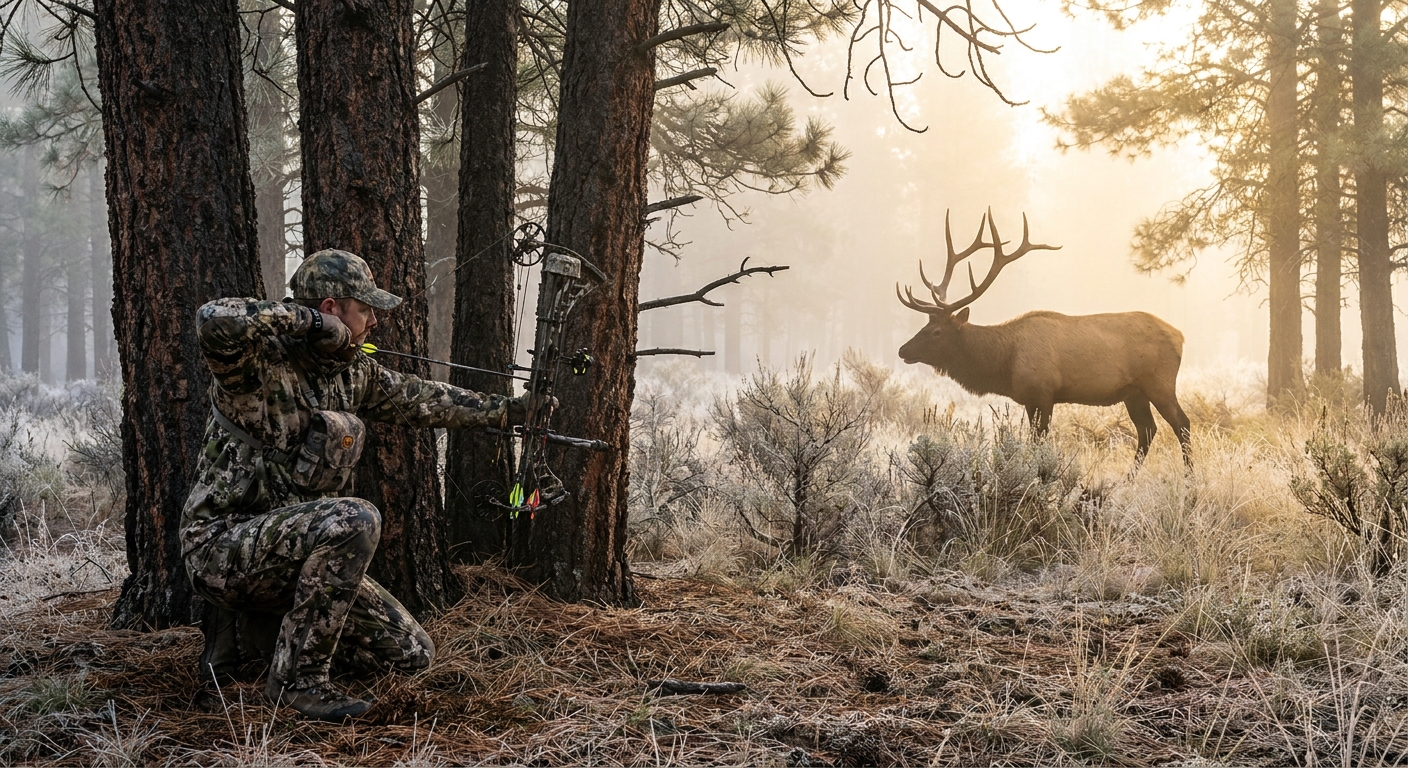
The early season opener catches bulls in late velvet to early hard horn and pre-rut behavioral mode. They're still somewhat predictable at food and water, but are beginning to ramp up their activity as daylight shortens. Set up on water sources and wallows during the first two weeks—a bull that weighs 700 pounds has to drink, and in a dry August, he's going to do it on a schedule. Morning and evening sits within 30 yards of a well-used wallow or spring are among the highest-percentage setups in archery elk hunting.
Rut Phase (Sept 10–30)
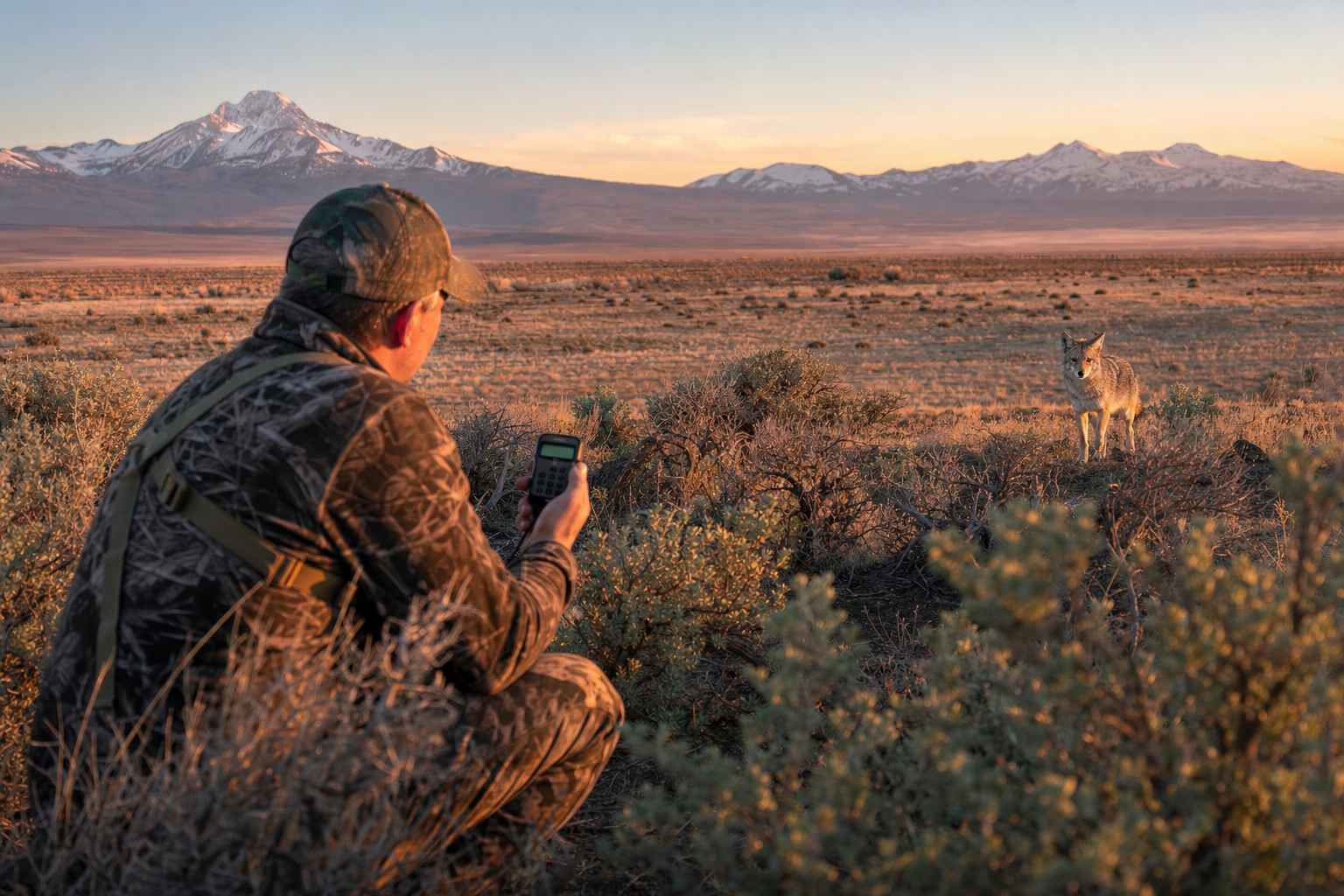
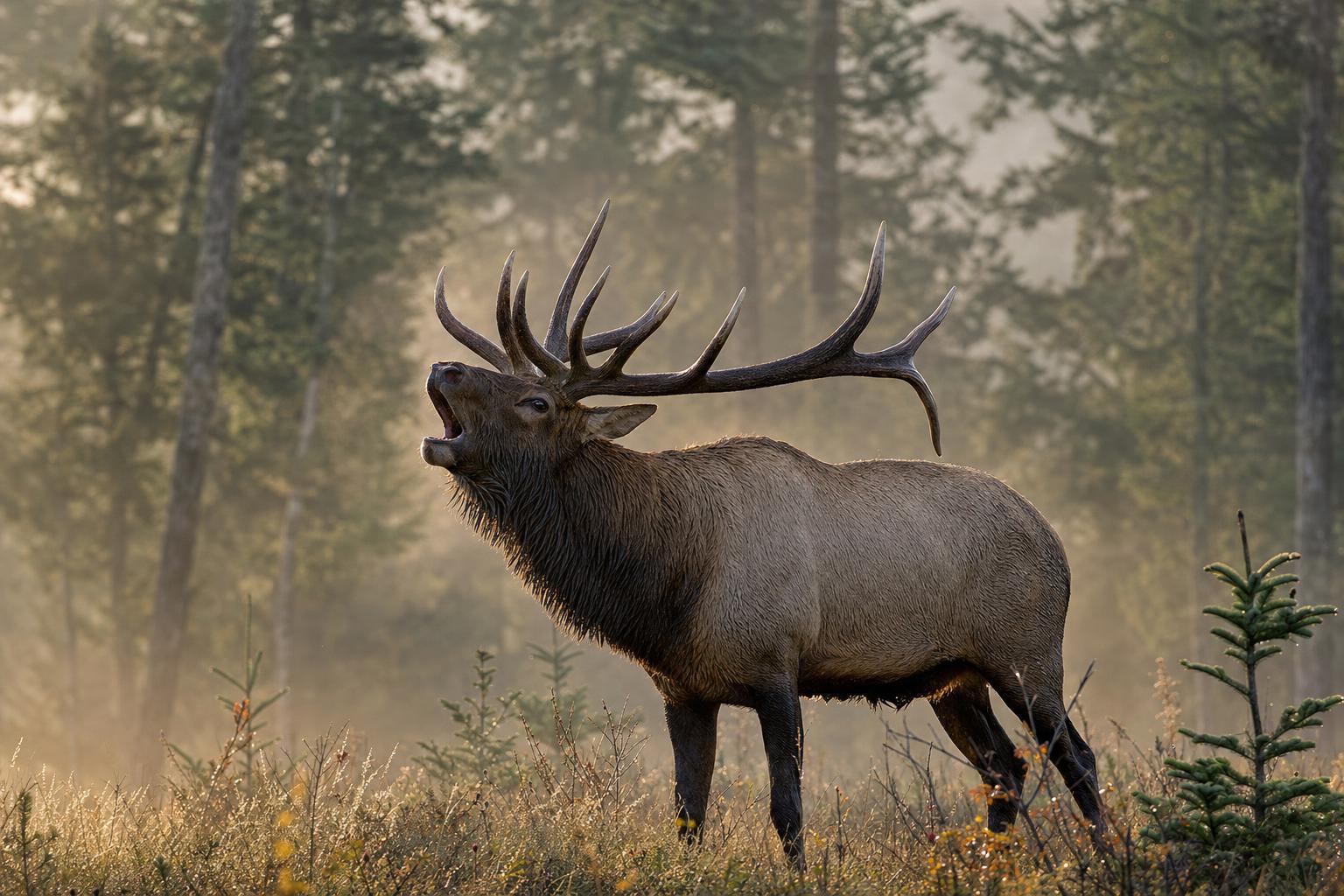
When the Starkey bulls start bugling in earnest—typically around September 10 to 15—shift your approach to calling and spot-and-stalk. Cow calls, estrus whines, and aggressive bull bugles all have their place depending on how fired up the dominant bulls are. In the ponderosa pine country of the Starkey Unit, bugling carries well across the open parks. Locate a screaming bull at first light, close to within 200 yards using terrain to stay hidden, then use a cow call to pull him the rest of the way. Have your shooter positioned ahead of you so the bull walks to 30 yards before he finds the source.
Satellite bulls are often your best opportunity. A second-tier bull that hears a cow call when the herd bull is preoccupied will frequently charge in without hesitation. These are five- and six-point bulls—exactly the freezer-filling animals that make a season.
Gear and Preparation
- Minimum bow draw weight: 60 pounds. Elk are big animals and you need pass-through penetration.
- Fixed-blade broadheads in the 100-grain range are recommended for the dense bone and muscle of mature bulls
- Pack a diaphragm call and a hand call; some situations require hands-free operation
- Lightweight pack system capable of hauling out 80+ pounds of boned elk meat per load
- Orange blaze is not required during archery season in Oregon, but wearing it on approach during any rifle overlap periods is wise
- Water filtration—the Blue Mountains have reliable water but it all needs treatment
Meat Care in the Field
Daytime temperatures in early September in the Starkey Unit routinely hit 70–80°F. If you arrow a bull in the afternoon, bone it out immediately, bag the meat in breathable game bags, and get it hung in shade with airflow. Do not let quartered elk sit in closed packs in the heat. If you're more than three miles from the trailhead, consider packing out a load that evening rather than waiting until morning. Many a good bull has been compromised by heat in the first eight hours after the shot.
The Bottom Line
The Starkey Unit won't make the glossy magazines because it's not a secret wilderness unit requiring a point draw or a backcountry expedition. But that accessibility is the point. It's huntable country with a real elk population, a general archery tag, and enough public land to build a DIY hunt around a realistic success timeline. Do the scouting now while bulls are predictable, learn the terrain, and show up to the August opener with a plan. That's how you fill a tag in the Starkey.